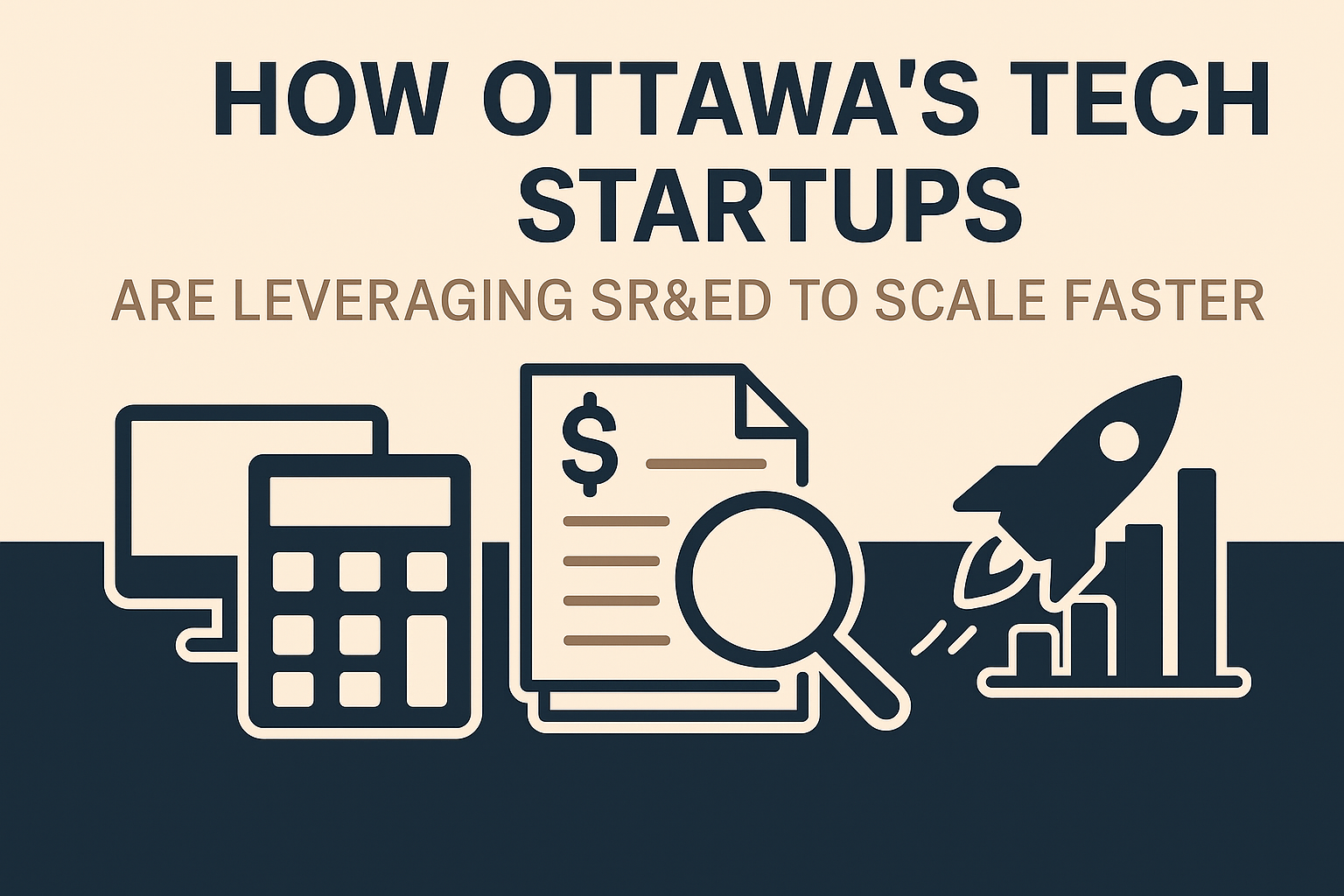
Ottawa has become one of Canada’s most dynamic innovation hubs, with Kanata North often described as the “Silicon Valley of the North.” From AI-driven software firms to cutting-edge clean technology startups, Ottawa’s tech ecosystem thrives on rapid growth, strategic financing, and government-backed programs that reduce risk for innovators. One of the most powerful tools available to these companies is the Scientific Research and Experimental Development (SR&ED) program, Canada’s largest innovation incentive.
This article explores in depth how Ottawa’s startups are maximizing SR&ED tax credits to accelerate their scale-up journey. It provides insights into eligibility, financing options, audit preparation, and case study examples while weaving in both internal and external resources for deeper exploration.
Understanding SR&ED and Why It Matters for Ottawa Startups
The SR&ED program is designed to reward companies for undertaking research and development activities in Canada. For startups in Ottawa’s tech ecosystem, this means significant tax credits and refunds that can free up working capital for reinvestment.
Startups often operate with limited runway, making liquidity vital. By leveraging SR&ED, businesses can receive refunds on wages, subcontractor fees, and eligible R&D expenses, which strengthens cash flow. For example, companies can use an SR&ED calculator to estimate their potential return and understand how much funding could be reinvested into their growth strategy.
Eligibility Criteria: What Types of Innovation Qualify
Not every project qualifies under SR&ED, and startups must ensure they meet specific requirements. The eligibility guidelines define that qualifying work must involve scientific or technological uncertainty and a process of experimentation. This often includes:
- Software Development: AI, machine learning, SaaS optimization, or cybersecurity platforms.
- Clean Tech: Innovations in renewable energy, battery storage, and sustainability.
- Telecommunications: Advancements in 5G, IoT, and satellite systems.
- Biotech and Life Sciences: Research into medical devices, pharmaceuticals, and diagnostics.
Ottawa startups at incubators such as Invest Ottawa often consult with experts to assess eligibility before filing.
Financing SR&ED Claims: Fueling Growth Before Refunds Arrive
A major challenge for startups is the waiting period between filing and receiving SR&ED refunds. To bridge this gap, many firms explore SR&ED financing options. This allows startups to access funds upfront, which can then be used to:
- Hire additional developers.
- Expand into new markets.
- Invest in marketing campaigns.
- Scale infrastructure without waiting months for refunds.
Early access to this capital can make the difference between stagnation and growth.
Case Studies: How Ottawa Startups Leverage SR&ED
1. SaaS Startup Scaling AI Solutions
A software-as-a-service company in Kanata North applied SR&ED to offset costs associated with developing predictive analytics. The refund allowed them to invest in additional cloud infrastructure, shortening their time-to-market by six months.
2. Clean Energy Innovator
A cleantech startup working on advanced battery technology secured SR&ED refunds to continue long-cycle testing. The credits reduced financial strain and positioned them to secure venture capital funding later.
3. Cybersecurity Firm Expanding Globally
An Ottawa-based cybersecurity firm reinvested SR&ED tax credits into global expansion initiatives, supporting both product development and international compliance certifications.
These examples underscore how strategic use of SR&ED not only sustains but accelerates growth across industries.

SR&ED and Ottawa’s R&D Ecosystem
Ottawa’s thriving ecosystem of universities, research institutes, and government support makes it an ideal environment for startups. Organizations such as Carleton University and the University of Ottawa collaborate with businesses to provide technical expertise that often qualifies under SR&ED guidelines.
Startups can also explore resources like Ottawa’s R&D ecosystem and SR&ED role, which explains how local partnerships fuel innovation and help navigate program complexities.
Audit Preparation and Risk Mitigation
While SR&ED provides immense benefits, startups must prepare for the possibility of CRA reviews. In fact, audits are a common part of the process. Firms that fail to document their scientific or technological uncertainties may face rejection. Guidance from an experienced SR&ED consultant helps mitigate risks, ensuring claims are backed by strong technical narratives and meticulous recordkeeping.
Proactive steps include:
- Keeping real-time project logs.
- Documenting iterations and failed experiments.
- Tracking expenses against SR&ED-eligible categories.
Resources like the CRA SR&ED program overview provide clear criteria to help startups align their filings.
The Role of SR&ED in Attracting Investors
Investors often look for signals that a startup has maximized available incentives. Companies leveraging SR&ED demonstrate fiscal responsibility and innovation resilience. For venture capitalists and angel investors, this can improve valuation and boost confidence in long-term scalability.
Startups can learn more about integrating tax credits into financial planning through resources like SR&ED tax credits, which highlight how credits affect profitability and future fundraising efforts.
How Ottawa Startups Can Maximize SR&ED Benefits
1. Integrate SR&ED Into R&D Planning
Companies that build SR&ED tracking into their R&D process from the beginning often secure higher returns. This means assigning roles for documentation, budgeting, and technical descriptions.
2. Use Tools and Software
Adopting specialized software for SR&ED documentation reduces errors and saves time, ensuring startups remain compliant.
3. Work With Experts
Engaging consultants ensures startups capture every eligible dollar while minimizing audit risks.
4. Combine SR&ED With Other Incentives
Beyond SR&ED, startups can leverage federal and provincial programs, combining them for maximum funding.
Conclusion: Ottawa Startups Scaling Faster with SR&ED
Ottawa’s startups are proving that SR&ED is more than a tax incentive—it’s a strategic growth driver. By aligning R&D initiatives with the program’s requirements, securing financing ahead of refunds, and preparing robust documentation, startups not only reduce financial strain but also position themselves for faster scale-up and stronger valuations.
For growing businesses in Ottawa’s innovation ecosystem, SR&ED is no longer optional—it’s essential.
If your startup is ready to explore how SR&ED can accelerate growth, reach out through the contact page for expert guidance.
