Clean technology is no longer just a buzzword in Ottawa—it has become a driving force behind the city’s innovation economy. As more businesses embrace sustainability, the Scientific Research and Experimental Development (SR&ED) program plays a pivotal role in accelerating CleanTech advancements. Ottawa’s thriving ecosystem, combined with SR&ED tax incentives, gives local companies the edge to innovate, compete, and scale while contributing to Canada’s climate and energy goals.
Ottawa as a Hub for CleanTech Innovation
Ottawa is home to a growing cluster of CleanTech firms specializing in renewable energy, smart grids, water technologies, and emissions reduction. Anchored by research institutions and supported by the Kanata North tech community, the city has become a magnet for startups and established companies alike. CleanTech entrepreneurs face steep costs in developing prototypes, testing new technologies, and navigating regulatory hurdles. This is precisely where SR&ED tax credits come into play—reducing financial strain and encouraging bold experimentation.
Why CleanTech Firms Depend on SR&ED
SR&ED is one of Canada’s most generous tax incentive programs, designed to offset R&D expenses. For CleanTech firms, this can mean reclaiming a significant portion of their innovation spend, including:
- Salaries of engineers and researchers
- Costs of testing and prototyping sustainable solutions
- Software development for smart energy and environmental monitoring
- Materials consumed during experimentation
By filing an eligible claim, businesses not only recover funds but also strengthen their capacity to reinvest in growth. Companies can use an SR&ED calculator to estimate potential refunds, which often reach six or seven figures depending on project scale.
Key Areas of CleanTech Innovation Supported by SR&ED
1. Renewable Energy Projects
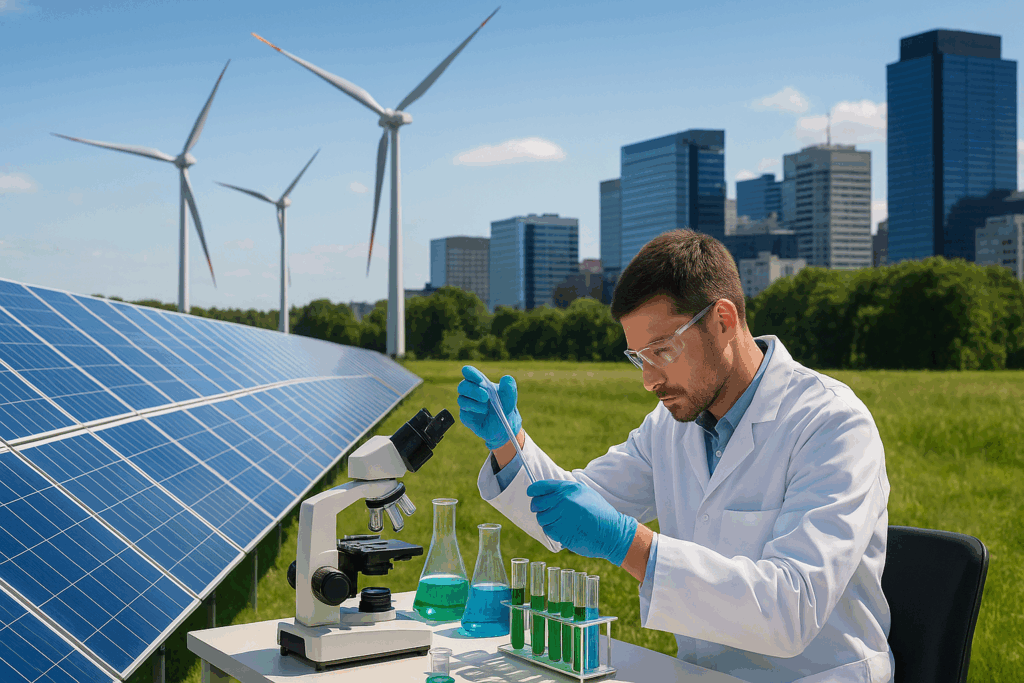
From solar and wind integration to next-gen battery storage, renewable energy projects often involve solving scientific uncertainties. SR&ED ensures these companies can recover a portion of their R&D spend, making innovation more financially viable.
2. Carbon Reduction and Capture
Ottawa CleanTech firms are actively developing carbon capture solutions and waste-to-energy technologies. Since these projects involve trial and error, SR&ED eligibility becomes critical in supporting breakthrough discoveries.
3. Water and Environmental Technologies
Smart irrigation systems, clean water technologies, and eco-friendly waste management are also prime areas where companies qualify for SR&ED credits. These efforts align with both environmental policy goals and commercial opportunities.
4. Digital Solutions for Sustainability
Software-based CleanTech, including energy efficiency platforms and IoT-driven climate monitoring tools, benefit from SR&ED credits. Since software development is often misunderstood in claims, working with a specialized SR&ED consultant can maximize recovery.
SR&ED and the Policy Push for CleanTech
Federal and provincial governments have placed CleanTech at the center of Canada’s climate agenda. The SR&ED program complements these policies by offering tax relief to firms tackling emissions and sustainability challenges. In fact, the Government of Canada’s Clean Growth Strategy emphasizes that R&D tax incentives will remain key to scaling sustainable innovation (source: Government of Canada).
By combining SR&ED credits with provincial programs, Ottawa firms can layer multiple funding sources, creating a powerful financial strategy for growth.
How Ottawa Companies Leverage SR&ED for Growth
Startups Scaling Faster
Early-stage CleanTech startups often lack the working capital to commercialize their solutions. By leveraging SR&ED, these firms gain a lifeline—reinvesting refunds into hiring, marketing, and further R&D. This is particularly critical in Ottawa’s Kanata North innovation hub, where collaboration between tech and sustainability is driving new ventures.
Mid-Sized Firms Expanding into Global Markets
For mid-sized CleanTech companies, SR&ED supports scaling operations and pursuing global partnerships. Many use SR&ED financing to access funds before receiving tax credit payouts, ensuring continuous momentum in product development cycles.
Enterprises Strengthening Competitiveness
Established companies leverage SR&ED to mitigate the risks of bold new projects. This allows them to maintain a competitive edge while aligning with evolving ESG standards.
Challenges in Claiming SR&ED for CleanTech
While SR&ED is generous, CleanTech claims often face scrutiny due to the complexity of proving technological uncertainty. Common challenges include:
- Documenting scientific hypotheses and testing outcomes
- Separating eligible experimental costs from routine operations
- Demonstrating that the work goes beyond standard engineering practices
To overcome these obstacles, companies benefit from professional guidance. Engaging experienced consultants helps maximize refunds and avoid costly mistakes in claims. Businesses can also explore resources such as the SR&ED CleanTech page for insights tailored to green innovation.
Case Studies: CleanTech Success Stories in Ottawa
- Carbon Capture Pilot Projects
An Ottawa-based firm piloted carbon capture technologies for industrial applications. Through SR&ED, they recovered significant R&D costs, enabling them to expand testing facilities. - Smart Energy Grids
A CleanTech software company in Kanata North developed an intelligent energy grid platform. Their SR&ED claim funded further prototyping and positioned them as a leader in smart infrastructure. - Water Purification Systems
A startup creating portable clean water systems for disaster zones accessed SR&ED credits, accelerating both product refinement and market entry.
These examples highlight how Ottawa firms translate SR&ED support into tangible environmental and economic impact.
SR&ED and Ottawa’s Role in Canada’s Net-Zero Goals
Canada’s commitment to net-zero emissions by 2050 hinges on CleanTech breakthroughs. Ottawa’s combination of research universities, government labs, and a dynamic startup scene makes it a natural leader. By maximizing SR&ED, local businesses contribute not only to commercial success but also to national climate goals. Reports from Natural Resources Canada emphasize that CleanTech R&D incentives will remain pivotal to achieving these targets.
Strategic Integration: SR&ED Beyond Tax Credits
Forward-thinking Ottawa businesses are not just using SR&ED as a financial recovery tool—they are integrating it into long-term growth strategies. This includes:
- Combining SR&ED with grants and financing programs
- Using refunds to strengthen cash flow and reduce investor dependence
- Leveraging tax credits in merger and acquisition scenarios to increase valuation
For many, SR&ED is more than compliance—it’s a growth engine.
Conclusion: SR&ED as a Catalyst for Ottawa CleanTech
Ottawa’s CleanTech sector stands at the intersection of sustainability and innovation. The SR&ED program fuels this growth by lowering financial barriers, encouraging risk-taking, and strengthening Canada’s climate leadership. Whether you are a startup in Kanata North or a mid-sized firm expanding globally, SR&ED is a tool you cannot afford to overlook.
To explore how your company can maximize these opportunities, visit our Contact page and connect with experts who specialize in CleanTech-focused SR&ED strategies.